Understanding the psychological triggers in gambling behavior
The Allure of Risk: Why We Gamble
The thrill of gambling is often rooted in the allure of risk. Many individuals are drawn to the unpredictable nature of games, where the stakes can shift dramatically in an instant. This unpredictability can create a heightened sense of excitement and engagement, compelling players to continue participating. The adrenaline rush associated with risking money on uncertain outcomes can be exhilarating, leading to an emotional high that keeps players coming back for more. For those looking for a fresh experience, slotzania.uk offers a modern take on gaming.
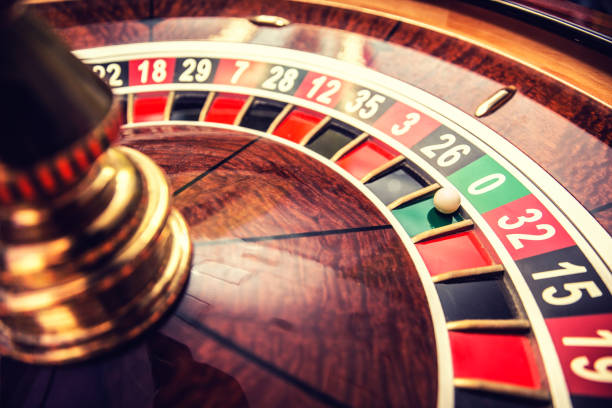
Psychologically, this desire for risk can be linked to the concept of sensation-seeking. Those who possess a higher sensation-seeking trait may find traditional everyday activities less stimulating and seek out experiences that provide an adrenaline rush. Gambling presents an easily accessible avenue for such thrills. This need for stimulation may prompt individuals to engage in gambling behaviors, often leading to repeated visits to casinos or online gaming platforms.
Moreover, the social dynamics of gambling cannot be ignored. Many individuals participate in gambling activities with friends or family, enhancing the thrill through shared experiences. The camaraderie and competition present in these settings can amplify the excitement and encourage further participation. As a result, social interactions tied to gambling can serve as psychological triggers that heighten one’s urge to gamble, creating a loop of engagement and risk-taking behavior.
The Role of Cognitive Biases in Gambling
Cognitive biases play a significant role in how individuals perceive gambling outcomes. For example, the illusion of control leads gamblers to believe they can influence or predict the outcomes of games, particularly in skill-based games like poker. This belief can encourage individuals to engage in gambling more frequently, as they feel they have an edge or can impact their chances of winning. Unfortunately, this often results in a misperception of the inherent risks involved in gambling.
Another prevalent cognitive bias is the gambler’s fallacy, where individuals mistakenly believe that past outcomes will influence future results. For instance, if a player experiences a losing streak, they may believe that a win is ‘due’ and continue to gamble, hoping for a reversal of fortune. This fallacy can lead to significant losses as players chase their perceived luck, illustrating how cognitive distortions can exacerbate problematic gambling behaviors.
Furthermore, the framing effect can alter how gamblers perceive their chances of winning or losing. When outcomes are presented in a manner that emphasizes potential rewards rather than risks, individuals may be more inclined to take greater risks. This manipulation of perception is prevalent in marketing tactics within the gambling industry, where advertisements often highlight success stories or large payouts, encouraging players to engage without fully understanding the probabilities at play.
The Emotional Roller Coaster of Gambling
The emotional experience tied to gambling is often likened to a roller coaster, marked by peaks of excitement and troughs of despair. This emotional volatility can be a significant psychological trigger that influences gambling behavior. Players often experience a euphoric high when winning, accompanied by feelings of confidence and invincibility, which can lead to increased wagers and more impulsive decisions.
Conversely, the lows associated with losses can trigger feelings of frustration or desperation, prompting individuals to chase losses in an attempt to regain their previous standing. This cycle of highs and lows can create a turbulent emotional landscape, making it challenging for individuals to maintain perspective on their gambling habits. Many fail to recognize that their emotions can cloud judgment, leading to continued participation even when it’s financially detrimental.
Moreover, emotional states can vary widely among gamblers. Some may engage in gambling as an escape from stress, anxiety, or depression, seeking solace in the excitement of the game. This form of emotional regulation can transform gambling into a coping mechanism, reinforcing behaviors that may lead to addiction. Understanding the emotional triggers that drive gambling is crucial for recognizing the potential risks and the underlying psychology involved.
The Impact of Environmental Factors on Gambling Behavior
The environment plays a crucial role in shaping gambling behavior. Factors such as lighting, sound, and even the layout of a casino can significantly influence a gambler’s experience and decisions. Casinos are meticulously designed to maximize engagement and prolong play. For instance, bright lights and enticing sounds, such as the jingling of coins or winning slots, can create a stimulating atmosphere that encourages players to stay longer and spend more.
Additionally, the availability of gambling options can act as a psychological trigger. Easy access to gambling, whether in-person or online, can normalize the behavior and reduce the perceived risks associated with it. Online casinos, for example, have made gambling more accessible, allowing individuals to participate from the comfort of their homes. This accessibility can lead to increased gambling frequency, particularly for those already predisposed to risk-taking behaviors.
The influence of peers and social norms is another significant environmental factor. Individuals are more likely to engage in gambling activities if their social circles normalize or celebrate such behaviors. Social reinforcement can create a culture where gambling is viewed as an acceptable or desirable activity, further compelling individuals to partake without fully considering the potential repercussions. Understanding these environmental triggers is essential for creating a comprehensive picture of gambling behavior.

Slotzania: A Responsible Gaming Experience
Slotzania is committed to providing a thrilling yet responsible gaming experience for its players. This modern crypto casino offers hundreds of slot games from leading developers, designed to engage players while promoting responsible gambling practices. By prioritizing player safety, Slotzania ensures that individuals can enjoy their gaming experience without falling prey to harmful behaviors.
With generous welcome bonuses and a user-friendly interface accessible on both desktop and mobile devices, Slotzania encourages players to explore gaming in a controlled manner. The site features fast and secure crypto payments, making transactions smooth and efficient. Furthermore, the 24/7 dedicated customer support team is readily available to assist players with any inquiries, ensuring a seamless gaming experience.
By fostering a responsible gaming environment, Slotzania aims to empower players to make informed decisions. The understanding of psychological triggers in gambling behavior is vital in promoting awareness and encouraging responsible play, making Slotzania a desirable platform for both new and experienced gamblers seeking a secure and enjoyable gaming adventure.
